Zanskar Valley Package from Chandigarh
Overview
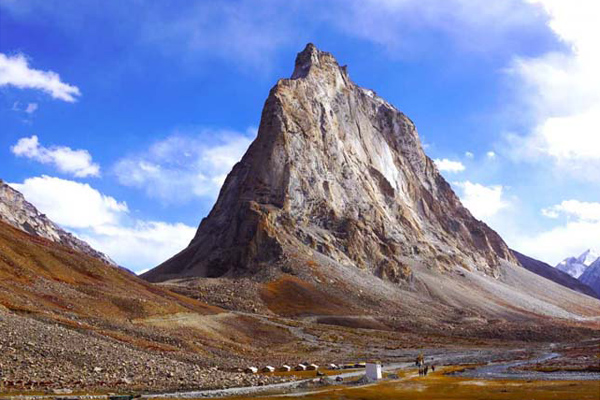
Nestled deep within the Ladakh region, Zanskar Valley is often called the “Land of Copper” and remains one of the most remote and enchanting high-altitude deserts in the world. Surrounded by 6,000-meter peaks and accessible for only a few months a year, Zanskar offers a rare glimpse into ancient Tibetan Buddhist culture, dramatic glacial landscapes, and absolute silence that is hard to find anywhere else.
Best Time to Visit
- Summer (May to August): Ideal for sightseeing and adventure sports with pleasant temperatures between 10°C and 25°C.
Tour Itinerary
Day 01: Chandigarh – Manali (320 Kms / 10-11 Hrs)
Today Morning you would be picked up from Chandigarh Station (Airport / Railway station) and proceed for Manali. Its a full day journey by Cab.
Day 02: Manali – Atal Tunnal – Sissu – Kaylong – Jispa
Today morning after breakfast checkout from Manali Hotel and then proceed towards Jispa, Visit on the way Atal Tunnal – Sissu – Tandi Sangam.
(Conflunce of Chandra & Bhaaga river then its Known as CHENAB river) Spend your time there and have Photography and then drive towards Jispa. Jispa is the last Habitual village in Manali – Leh Highway and known for its adorable beauty. Spend time there and have night stay at Camp at Jispa.
Day 03: Jispa – Shinkula Pass – Gonbo Rangjan – Padum (100 Km / 05 Hours)
After breakfast checkout from Jispa and drive towards Padum. Visit on the way Scenic beauty of Gonbo Rangzin, Kargak Village landscapes and Shinkula Pass (One of the Highest pass of Ladakh region, which connects Zanskar valley to Himchal’s Lahul Spiti valley and one of the crucial place of this region). Reach Purne by noon then start trek of Phuktal Monastery (The monastery is a one-day trek from the village of Cha or Khangsaar in Zanskar). The view from the monastery is also something to cherish; one can relish the panoramic vistas of the meandering Lungnak River and the valley.The major attraction of Phuktal Gompa is its natural caves which are said to have been visited by many sages, scholars, and translators more than 2550 years ago. Belonging to Gelug school of Tibetan Buddhism, Phuktal Monastery celebrates a number of festivals which a must-see here, if you will be interested for it, otherwise continue drive to Padum.
Day 04: Visit of Padam Sightseeing
Sani Holy Lake, Sani Palace, Karsha Monastery, Padum Palace and Padam Museum.
The Zangla Palace is perched atop a hillock in the village and remains the only attraction here. It is often referred to as a Zangla Monastery, majorly because of the fact that it houses a temple and some monks inhabit it. The view from the palace is spectacular and thus visiting it, should not to be missed. The close by Tsa Zar has a monastery that should be covered on your Zangla tour.
The Karsha Monastery: The history of Karsha Monastery states that it is a 10th century gompa in Zanskar and is attributed to Padmasambhava. There are several ancient rock-carvings at the monastery. The oldest remaining structure of Karsha Monastery is an Avalokiteshvara Temple, Chuk-shik-jal that contains wall paintings associated with the era of Rinchen Zangpo (958-1055).
Overnight stay at hotel in Padum.
Day 05: Padam to (via Nerak / Lingshed) – Leh Transfer
This is the more adventurous of journeys if you ask me. There is a lot to see here, a lot to cover. The road is newly built and breathtaking, to say the least. This section of the journey is known as the “untraceable” road and for good reason. Immediately after taking a right from Padum towards Zangla, lies a petrol pump about 4 Km down. Zangla’s distance from Padum is about 40 Km and the road is well made. Post that, you’ll be on some off -roading journey towards Nerak / Lingshed and up ahead. Signature views, synonymous with the Zanskar valley keep you company for the day.
Ladakh covers about 45,000 square miles (117,000 square km) and contains the Ladakh Range, which is a southeastern extension of the Karakoram Range, and the upper Indus River valley. Ladakh is one of the highest regions of the world. Its natural features consist mainly of high plains and deep valleys. The high plain predominates in the east, diminishing gradually toward the west. In southeastern Ladakh lies Rupshu, an area of large, brackish lakes with a uniform elevation of about 13,500 feet (4,100 metres). To the northwest of Rupshu lies the Zaskar Range, an inaccessible region where the people and the cattle remain indoors for much of the year because of the cold.
Day 06: Leh Sightseeing
Today after heartily breakfast & rest have visit Leh around sightseeing. Today we’ll cover Spituk Monastery, Hall of Fame, Shanti Stupa and Leh Palace, Tsemo Monastery & Market. In the evening, you will return to the Leh. If the time permits you can explore the local market of the city and buy some souvenirs for your loved ones. Return to the hotel in the evening and enjoy the dinner. Overnight stay at the hotel in Leh.
Day 07: Leh Airport Drop
Early morning after breakfast checkout from the hotel and drive to drop at Leh Airport.
Tour ends here with happy memories.
Inclusion
- 06 Night Accommodation for 06 Adults in 02 Room (Triple Sharing Basic).
- MAP Meal Plan - 06 breakfast and 06 Dinner (Veg Food).
- Chandigarh pick up & Leh Drop (Airport / Railway Station).
- Cab in use:- Muv (Innova / Xylo / Scorpio).
- Use of Individual Cab as per below itinerary but NGT T&C Apply.
- All tax Inclusive (Toll tax, Green Tax, Fuel Tax, Driver expanse etc.).

Starts From ₹ 17,000
Zanskar Valley Package - 06 Nights & 07 Days

Other Packages
Leh Ladakh Package with Srinagar
11 Nights & 12 Days
Dharamshala Dalhousie Tour Package
03 Nights & 04 Days
All Himachal Tour Package
08 Nights & 09 Days
Manali Dharamshala Tour Package
04 Nights & 05 Days
Manali Tour Package
03 Nights & 04 Days